


OET Durius
Douro Cross-Border Ecological Observatory

2024 - 2027
OET Durius

The main objective of the OET Durius project is to create the Douro Cross-Border Ecological Observatory, with a view to improving, protecting and conserving ecosystems, biodiversity and their connectivity in the Douro River ecological corridor. It will be implemented between 2024 and 2027. It has a total budget of over €1.5 million, 75% of which is funded by the European Union's Interreg VI-A Spain-Portugal (POCTEP) 2021-2027 programme.
It will be implemented by a consortium of eight entities from Spain and Portugal: Fundación Santa María la Real (coordinating entity), Iberian Association of Riverside Municipalities of the Douro (AIMRD), Habitat Eficiente AEICE cluster, University of Salamanca, Zamora City Council, Palombar - Nature and Rural Heritage Conservation, Douro Intermunicipal Community (CIM Douro) and Terras de Trás-os-Montes Intermunicipal Community (CIM-TTM).
The main objectives of the project are:
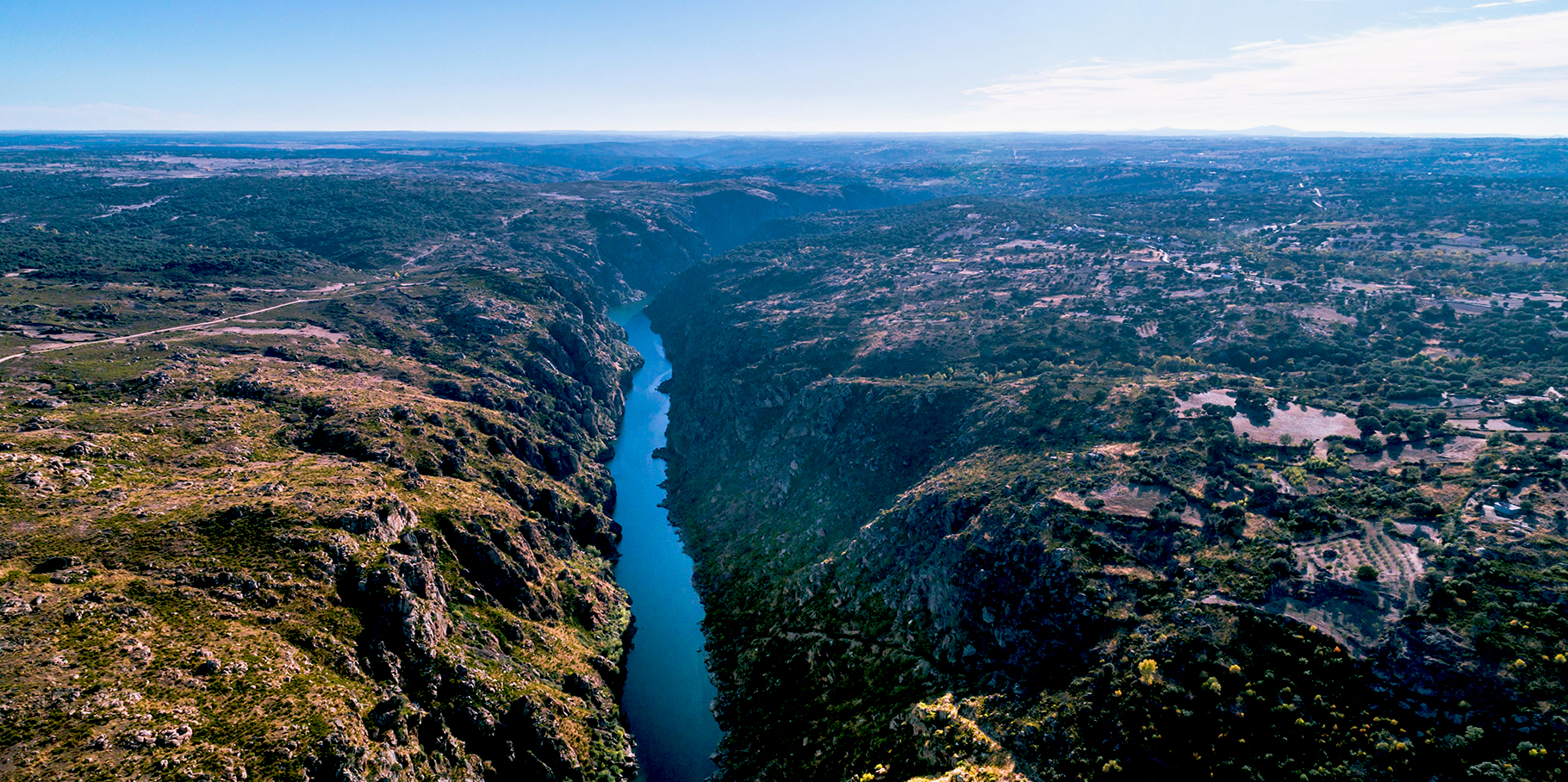
The project's area of intervention is the Douro river corridor, covering the cross-border regions of Valladolid, Zamora and Salamanca in Spain, part of the Trás-os-Montes region, the districts of Vila Real and Bragança, and the Alto Douro Vinhateiro region.
This project allows a deeper understanding of local ecosystems, with a view to promoting concrete conservation and renaturalisation actions that will benefit not only biodiversity but also local communities. Through cross-border collaboration, sustainable strategies will be created that preserve the region's natural and cultural heritage for future generations. The Douro Cross-Border Ecological Observatory is a vital tool for achieving these objectives, enabling the monitoring of ecosystem health and biodiversity dynamics, the identification of threats and the implementation of effective solutions.
Website oetdurius.com
Coordination Santa María la Real Foundation
Partners Iberian Association of Riverside Municipalities of the Douro, AEICE Efficient Habitat cluster, University of Salamanca, Zamora City Council; Palombar - Nature and Rural Heritage Conservation, Intermunicipal Community of the Douro and Intermunicipal Community of Terras de Trás-os-Montes
Area of intervention Regions covered by the Douro river corridor in Portugal and Spain
Funding European Union Interreg VI-A Spain-Portugal Programme (POCTEP) 2021-2027
It will be implemented by a consortium of eight entities from Spain and Portugal: Fundación Santa María la Real (coordinating entity), Iberian Association of Riverside Municipalities of the Douro (AIMRD), Habitat Eficiente AEICE cluster, University of Salamanca, Zamora City Council, Palombar - Nature and Rural Heritage Conservation, Douro Intermunicipal Community (CIM Douro) and Terras de Trás-os-Montes Intermunicipal Community (CIM-TTM).
The main objectives of the project are:
- To create the Douro Cross-Border Ecological Observatory, which will consist of an easily accessible digital platform that will allow data to be consulted, interacted with and updated, and which will be gradually expanded. This Observatory aims to be a fundamental tool for ensuring the protection, conservation and connectivity of biodiversity in the natural, rural and urban ecosystems of the Douro ecological corridor, based on Iberian cooperation;
- Analysis of the ecosystems and biodiversity around the Douro River, the state of connection between them and their natural connection points, based on research and information gathering;
- Selecting representative species from the project's area of intervention, identifying their most important core zones or areas, possible connecting corridors and the points that constitute an obstacle to these movements;
- Renaturalisation actions focused on the recovery of elements that are important for the conservation of both cultural landscapes and biodiversity: traditional stone walls, agricultural hedges, small wetlands, drinking troughs and fountains, forests, grazing areas or areas of interest to pollinators. These actions serve to improve the ecological connectivity of the Douro territories;
- Create a specific framework for the cross-border context and at the local level, capable of generating a shared strategy and various action plans in the Douro ecological corridor, a priority for biodiversity in the Iberian Peninsula.
The project's area of intervention is the Douro river corridor, covering the cross-border regions of Valladolid, Zamora and Salamanca in Spain, part of the Trás-os-Montes region, the districts of Vila Real and Bragança, and the Alto Douro Vinhateiro region.
This project allows a deeper understanding of local ecosystems, with a view to promoting concrete conservation and renaturalisation actions that will benefit not only biodiversity but also local communities. Through cross-border collaboration, sustainable strategies will be created that preserve the region's natural and cultural heritage for future generations. The Douro Cross-Border Ecological Observatory is a vital tool for achieving these objectives, enabling the monitoring of ecosystem health and biodiversity dynamics, the identification of threats and the implementation of effective solutions.
Website oetdurius.com
Coordination Santa María la Real Foundation
Partners Iberian Association of Riverside Municipalities of the Douro, AEICE Efficient Habitat cluster, University of Salamanca, Zamora City Council; Palombar - Nature and Rural Heritage Conservation, Intermunicipal Community of the Douro and Intermunicipal Community of Terras de Trás-os-Montes
Area of intervention Regions covered by the Douro river corridor in Portugal and Spain
Funding European Union Interreg VI-A Spain-Portugal Programme (POCTEP) 2021-2027