


6 May 2026
Montagu´s harrier: campaign to save the species from extinction is already on the ground in Portugal and western Spain
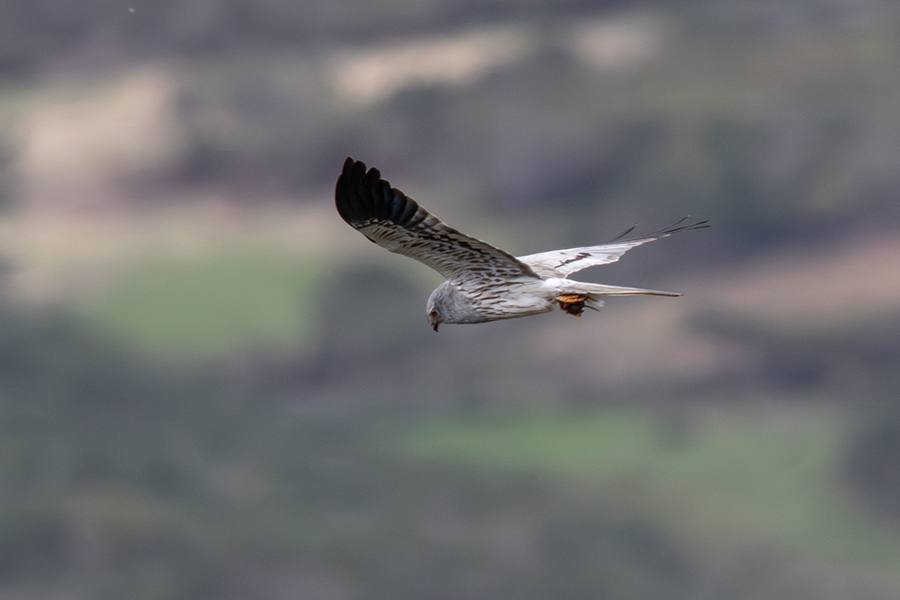
The Montagu’s harrier is a friend to farmers and benefits both the environment and local communities. Photo: Pedro Alves/Palombar.
Monitoring the Montagu's harrier’s range: in the field and with the support of cutting-edge technology
Throughout the campaign, teams from the LIFE SOS Pygargus project are constantly in the field monitoring the main areas where the Montagu's harrier (Circus pygargus) is found in Portugal and western Spain. Monitoring is carried out directly in the field for around six months straight, using methods and techniques designed to minimise disturbance to these birds as much as possible. It is also carried out through the remote tracking of individuals already tagged in previous campaigns and at the start of this one, using GPS devices. To assist in locating colonies and nests, in some specific cases, drones are also used by specialised teams who are trained and have the necessary authorisation from the competent authorities for their use, always following strict protocols to minimise disturbance. This year, the project plans to tag 30 or more birds with GPS devices to enhance the monitoring, study and conservation of this species.
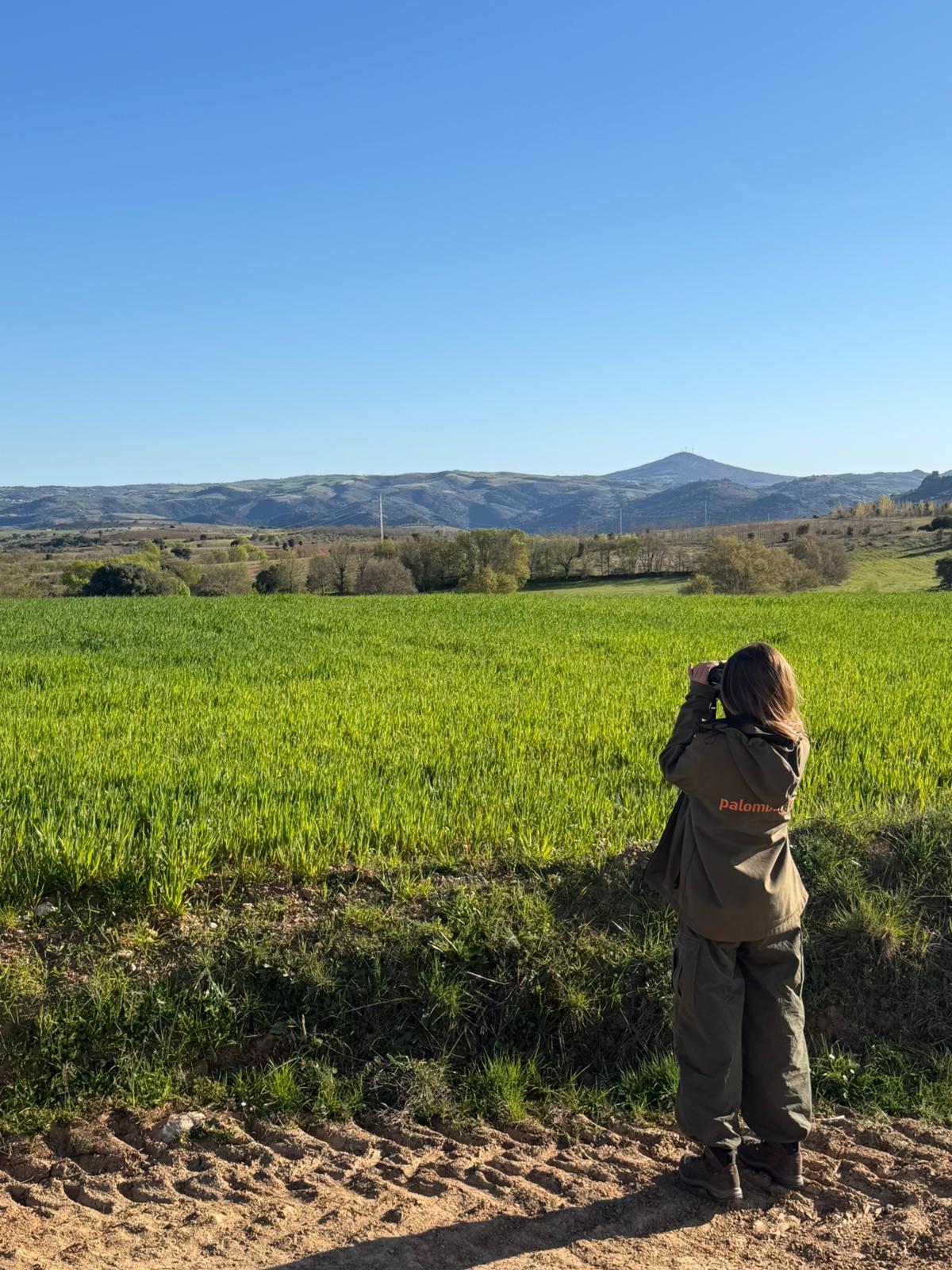
Monitoring is essential to ensure the protection of the species. Photo: Palombar.
Protection is the main focus, rescue is an emergency measure
Monitoring the populations of the Montagu’s harrier during the period when they are present on the Iberian Peninsula, between March and September, is essential for conserving this species, which is on the brink of extinction in Portugal and in a critical situation in Spain. The systematic and continuous monitoring carried out by the project’s technicians is, in itself, a protective measure for this ground-nesting bird, which nests in agricultural land with cereals and fodder crops, as well as in scrubland and uncultivated areas, and which faces various threats. However, it is often necessary to take a step further.
When the technicians detect cases where nests may be destroyed by agricultural activities or land management actions, such as controlled burning or vegetation clearance in mountainous areas, they take action to ensure their protection with fencing or to prevent disturbance/destruction, in close collaboration with farmers and local managers, whose contributions are crucial; in cases where nest protection is not feasible, they rescue eggs and/or chicks so that they can complete their development in a controlled environment and be transferred to acclimatisation centres, and subsequently returned to the wild. This method encourages birds to remain loyal to their territory, reinforcing their philopatric instinct – the tendency of a species to establish its breeding grounds in the same area where it was born or spent its first few weeks of life – thereby helping to increase its population in a given region.
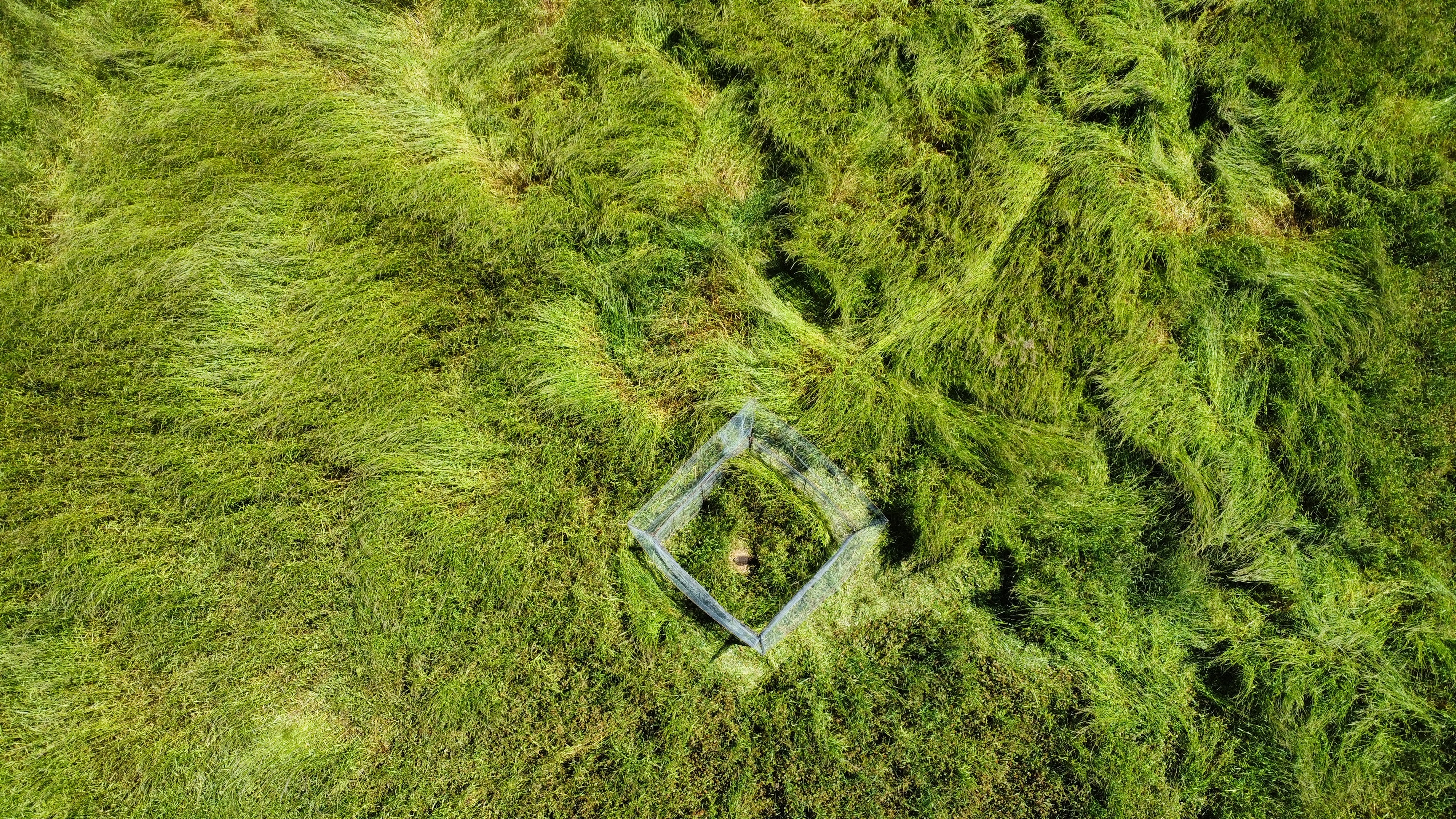
Many nests need to be protected by fencing to prevent major disturbances or even their destruction during farming activities, as well as to protect them from ground-based predators. Photo: Palombar.

Eggs and chicks are rescued from nests that cannot be protected, in order to save lives. Photo: Palombar.
Raising awareness: farmers are key, as well as other agents who manage the land
Saving the Montagu’s harrier from extinction requires the active involvement of those who work and manage the land where they breed. Farmers play a vital role in this mission by helping to detect nests and protect them. These birds also bring benefits to them, as they help to effectively control agricultural pests such as rodents and insects, which can affect crop yields. Other land managers, such as shepherds, landowners and public and private bodies that manage scrubland and uncultivated land—where the Montagu’s harrier also nests—are equally important. Their collaboration with project teams on the ground to prevent disturbance during the critical nesting period and the destruction of nests, particularly during the fire risk management season, which involves controlled burning and scrub clearance, is equally crucial to ensuring successful breeding.
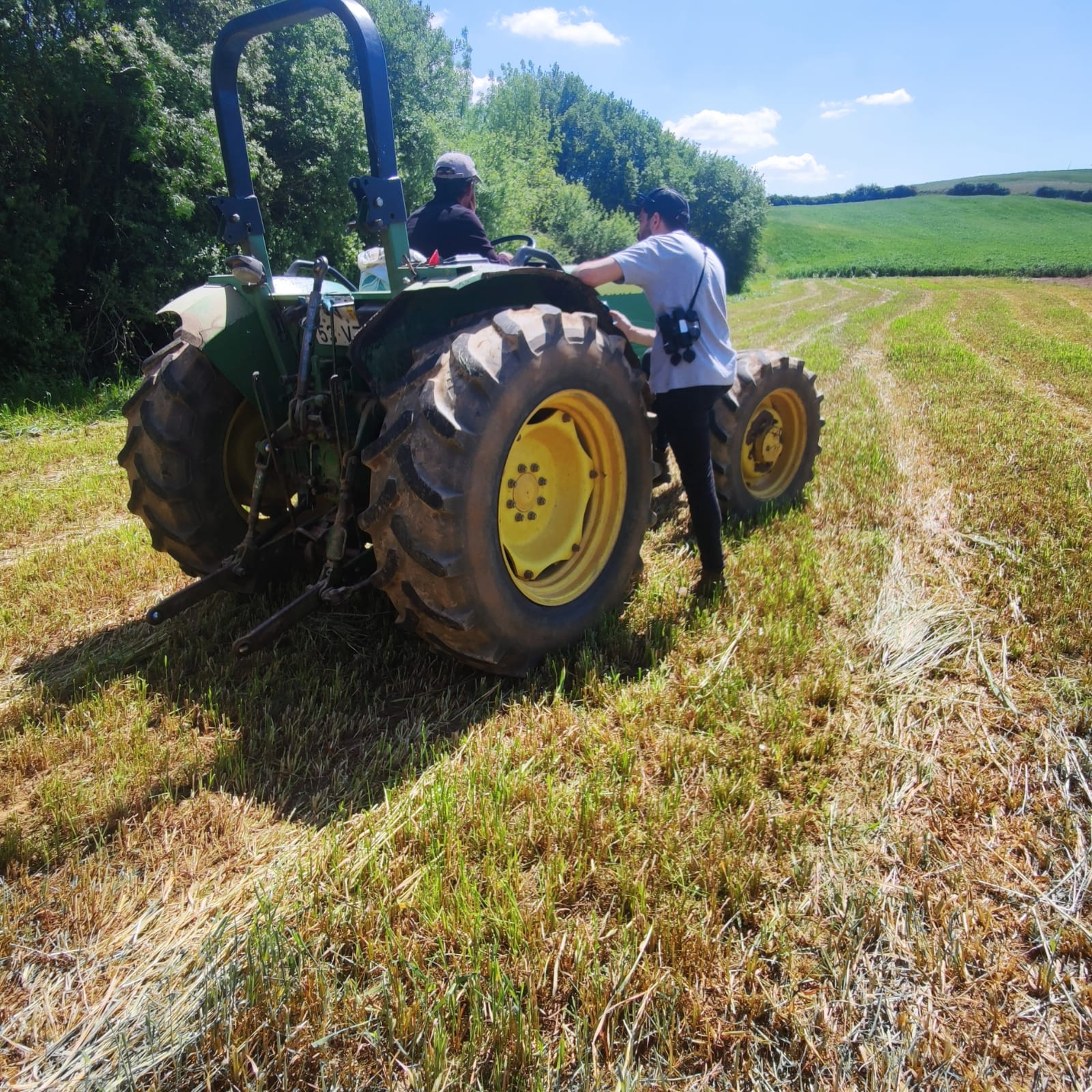
Farmers and other local stakeholders play a crucial role in protecting the species. Photo: Palombar.
Citizen collaboration: everyone can help in an ethical and responsible way
Everyone has a role to play in preventing the Montagu’s harrier from disappearing from the country’s rural and natural landscapes, along with the benefits it brings to us all. Sharing observation data on citizen science platforms such as eBird is considered a valuable contribution to the project, but must always be guided by ethics and responsibility. On this platform, and others like it, sensitive information that could pinpoint the exact location of colonies or nests must always be concealed; it is equally important to avoid the widespread sharing of such data. Not disturbing them is also a way of protecting and saving them. No record, be it photographic, video or otherwise, justifies causing any disturbance to these threatened birds. The project calls on everyone to collaborate, guided by a sense of mission to safeguard the welfare and conservation of the Montagu’s harrier. Sighting data from the wider community can be shared securely with the project team via a form, as well as by direct contact via email or mobile phone, available here.
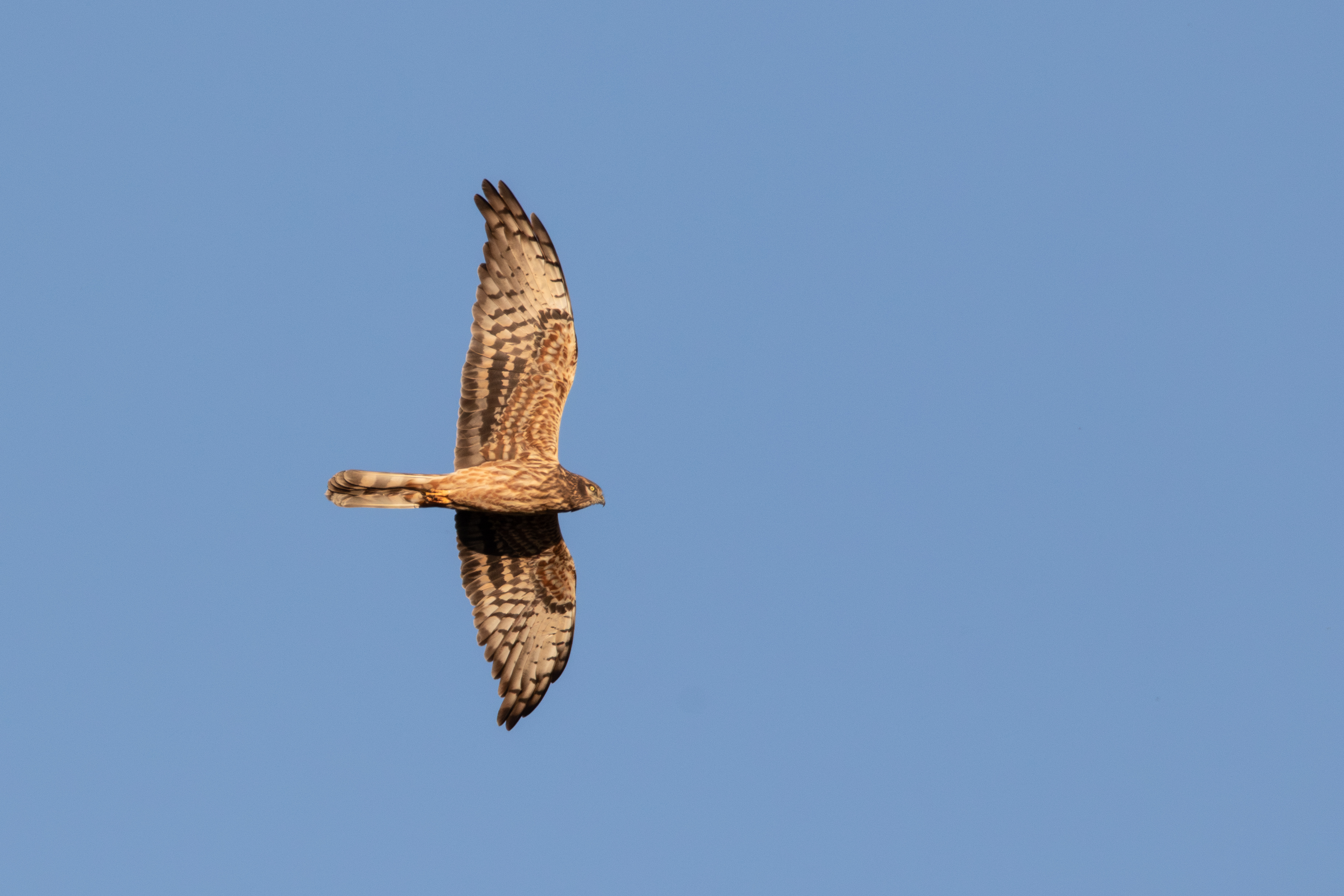
Everyone can play their part in preventing the Montagu's harrier from disappearing from the country’s rural and natural landscapes. Photo: Pedro Alves/Palombar.
“In the field with the Montagu´s harrier”: follow us on social media
You can keep up to date with the intensive fieldwork carried out by the project teams as part of this campaign on the LIFE SOS Pygargus Instagram and Facebook pages, as well as on the project’s official website, and on our partners’ social media pages and websites. Join us on this long journey to save the Montagu’s harrier from extinction!
About the project
LIFE SOS Pygargus – Urgent conservation actions for Montagu’s harrier populations in Portugal and Spain is an Iberian project co-funded at 75% by the European Union’s LIFE Programme. It also receives co-funding from Viridia – Conservation in Action, Lightsource bp, the Portuguese Environmental Fund, and the Biodiversity Foundation of the Spanish Ministry for Ecological Transition and Demographic Challenge.
It is implemented by a consortium that includes Palombar – Nature and Rural Heritage Conservation (coordinating entity), BIOPOLIS-CIBIO Association, AEPGA – Association for the Study and Protection of Donkeys, ANPOC – National Association of Protein, Oilseed and Cereal Producers, CCDR-N – North Regional Coordination and Development Commission, EDIA – Alqueva Development and Infrastructure Company SA, ICNF – Institute for Nature Conservation and Forests, INIAV – National Institute for Agricultural and Veterinary Research, LPN – Nature Protection League, MC Shared Services SA, Modelo Continente Hipermercados SA, SPEA – Portuguese Society for the Study of Birds, UTAD – University of Trás-os-Montes and Alto Douro, Vita Nativa – Environmental Conservation, AMUS – Action for Wild World, the Department of Agriculture, Livestock and Sustainable Development of the Regional Government of Extremadura, GREFA – Group for the Rehabilitation of Native Fauna and its Habitat, and the University of Murcia.