


16 December 2025
SerE+ project will create network for accelerating nature services in Serra da Estrela
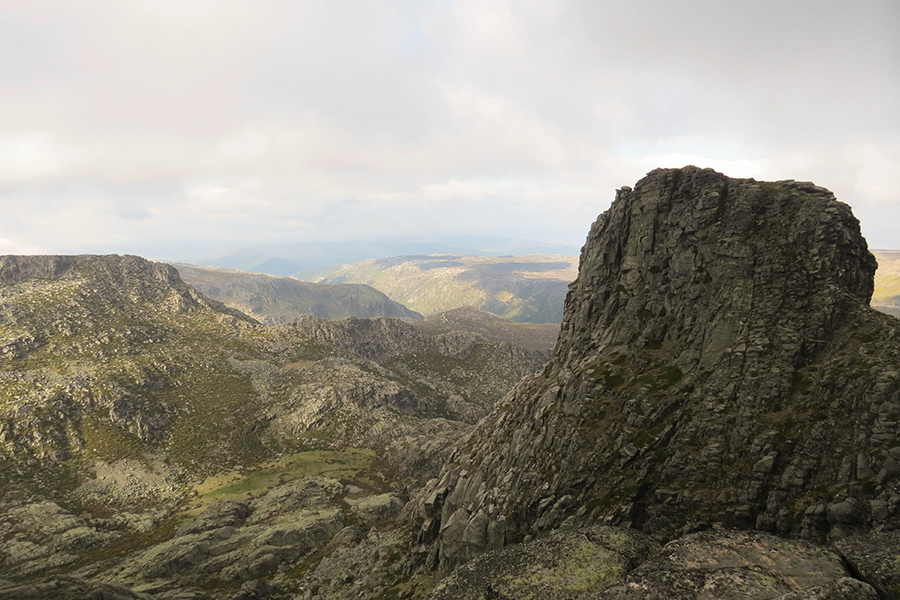
Serra da Estrela. Photo: Helena Raposeira/Palombar.
Network promotes ecological restoration, territorial resilience, population well-being and economic sustainability
The ‘SerE+ - Network of Ecosystem Service Acceleration Areas in Serra da Estrela’ project kicked off in November and will promote the conservation of natural values and ecological restoration in the Serra da Estrela region. The aim is to accelerate local ecosystem services, increase the territory's resilience to climate change, promote a better quality of life and generate a greater balance between communities and the natural environment, as well as greater sustainability for the regional economy.
The project is implemented by a consortium coordinated by the environmental non-governmental organisation Palombar – Conservação da Natureza e do Património Rural (Nature and Rural Heritage Conservation), involving three other entities: CE3C – Centre for Ecology, Evolution and Environmental Change of the Faculty of Sciences of the University of Lisbon; the Municipality of Seia, through the Serra da Estrela Interpretation Centre (CISE), and the Spanish State Agency Consejo Superior de Investigaciones Científicas M.P. (CSIC), through the Doñana Biological Station, in Spain. It is supported by the Promove Programme of the “la Caixa” Foundation, in collaboration with BPI and the Foundation for Science and Technology (FCT) and will run from 2025 to 2028, covering the municipalities that form part of the Serra da Estrela Natural Park, namely Seia, Celorico da Beira, Covilhã, Gouveia, Guarda and Manteigas.
The main actions of the project include identifying priority areas of high natural value for conservation, with the greatest potential for ecological restoration measures and acceleration of nature services; assessing, quantifying and mapping ecosystem services, which will involve the participation of local agents and stakeholders; the delimitation of the network of Ecosystem Services Acceleration Areas in Serra da Estrela, with in situ validation; the creation of a free-access interactive Web GIS and a non-financial economic valuation study of ecosystem services, as well as ecological restoration actions in a pilot area located in the municipality of Seia.
Pedro Horta, researcher at Palombar and project coordinator, emphasises that “the SerE+ project represents a clear opportunity to finally place nature conservation alongside progress and regional development in Serra da Estrela, based on principles of sustainability”.
Through conservation and environmental restoration measures, the Ecosystem Services Acceleration Areas in Serra da Estrela will function as true micro-reserves of biodiversity and source territories of ecosystem services for neighbouring geographical areas, such as climate regulation, pollination - essential for food production -, water and air purification, disease and pest control, promotion of well-being in natural spaces, support for biodiversity, carbon sequestration, among others, generating tangible benefits for people, nature and the regional economy.
The ‘SerE+ - Network of Ecosystem Service Acceleration Areas in Serra da Estrela’ project kicked off in November and will promote the conservation of natural values and ecological restoration in the Serra da Estrela region. The aim is to accelerate local ecosystem services, increase the territory's resilience to climate change, promote a better quality of life and generate a greater balance between communities and the natural environment, as well as greater sustainability for the regional economy.
The project is implemented by a consortium coordinated by the environmental non-governmental organisation Palombar – Conservação da Natureza e do Património Rural (Nature and Rural Heritage Conservation), involving three other entities: CE3C – Centre for Ecology, Evolution and Environmental Change of the Faculty of Sciences of the University of Lisbon; the Municipality of Seia, through the Serra da Estrela Interpretation Centre (CISE), and the Spanish State Agency Consejo Superior de Investigaciones Científicas M.P. (CSIC), through the Doñana Biological Station, in Spain. It is supported by the Promove Programme of the “la Caixa” Foundation, in collaboration with BPI and the Foundation for Science and Technology (FCT) and will run from 2025 to 2028, covering the municipalities that form part of the Serra da Estrela Natural Park, namely Seia, Celorico da Beira, Covilhã, Gouveia, Guarda and Manteigas.
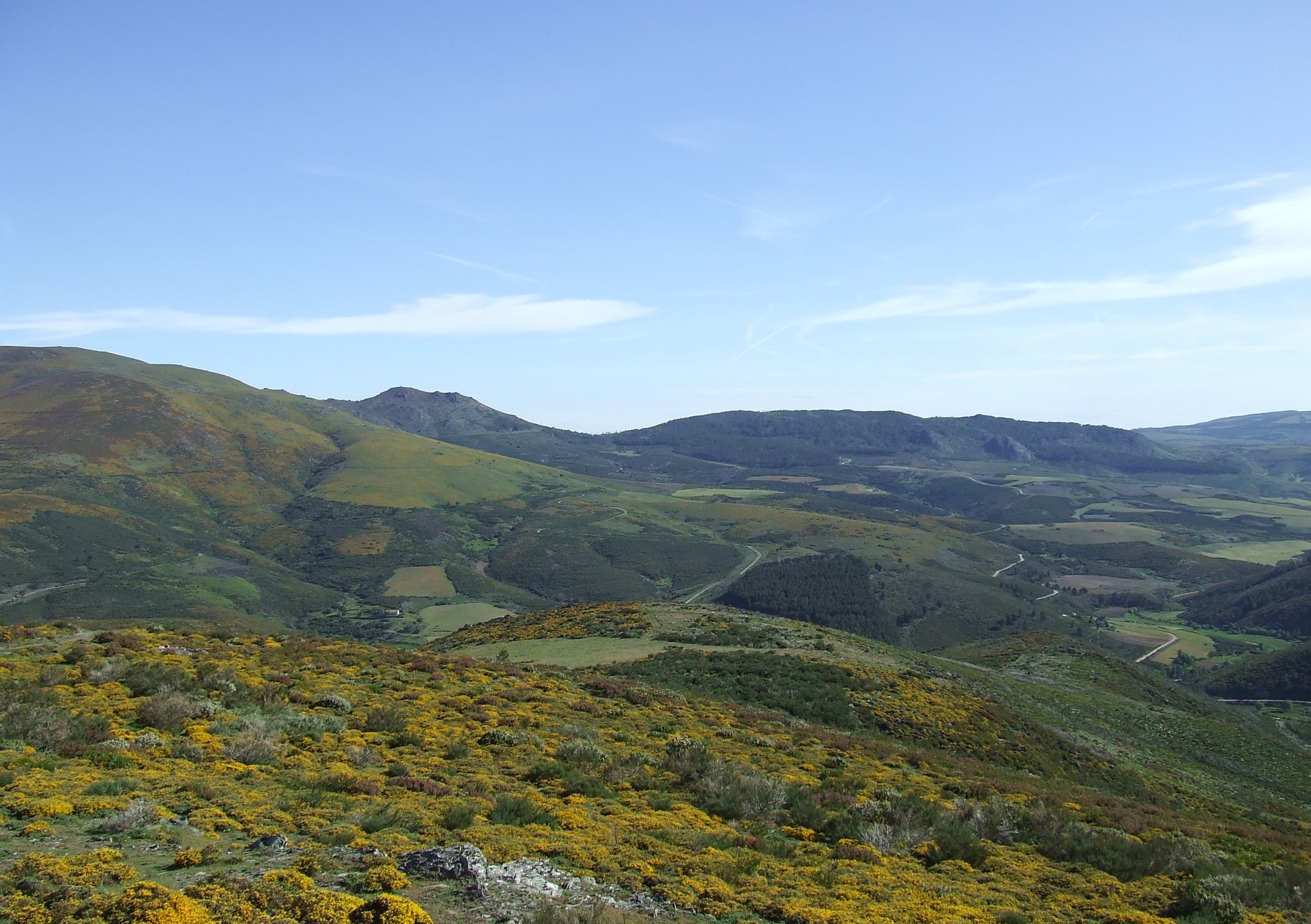
Serra da Estrela Natural Park. Photo: Helena Raposeira/Palombar.
The main actions of the project include identifying priority areas of high natural value for conservation, with the greatest potential for ecological restoration measures and acceleration of nature services; assessing, quantifying and mapping ecosystem services, which will involve the participation of local agents and stakeholders; the delimitation of the network of Ecosystem Services Acceleration Areas in Serra da Estrela, with in situ validation; the creation of a free-access interactive Web GIS and a non-financial economic valuation study of ecosystem services, as well as ecological restoration actions in a pilot area located in the municipality of Seia.
Pedro Horta, researcher at Palombar and project coordinator, emphasises that “the SerE+ project represents a clear opportunity to finally place nature conservation alongside progress and regional development in Serra da Estrela, based on principles of sustainability”.
Through conservation and environmental restoration measures, the Ecosystem Services Acceleration Areas in Serra da Estrela will function as true micro-reserves of biodiversity and source territories of ecosystem services for neighbouring geographical areas, such as climate regulation, pollination - essential for food production -, water and air purification, disease and pest control, promotion of well-being in natural spaces, support for biodiversity, carbon sequestration, among others, generating tangible benefits for people, nature and the regional economy.