


26 Mars 2026
Loreto Mill: 100 years of resilience, evolving with the times in a trade with future
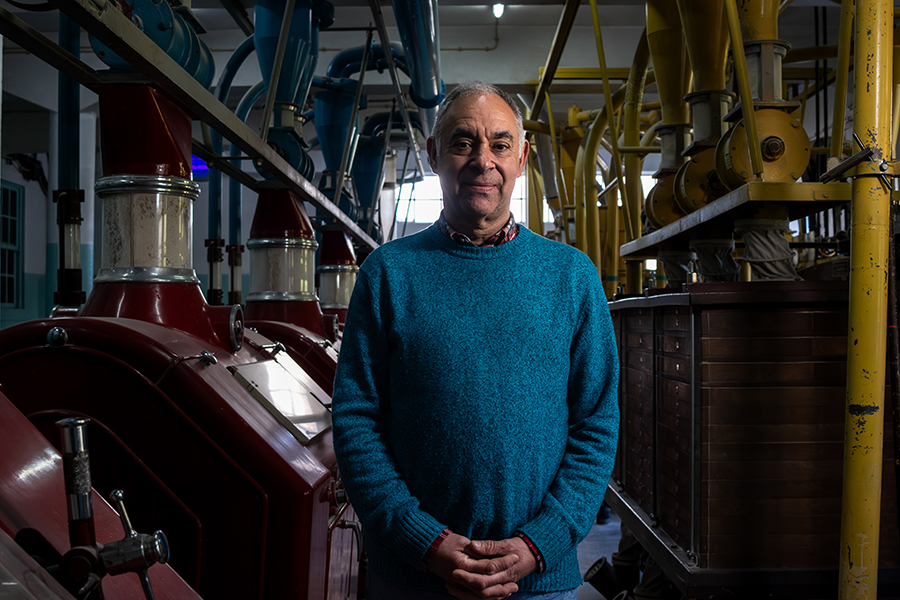
Luís Afonso is the current owner of the Loreto Mill. The heir to the Afonso family acquired the entire factory in 2013. Photo: Pedro Alves/Palombar.
by Uliana de Castro | Photography by Pedro Alves
The LIFE SOS Pygargus project awards a Certificate of Recognition to the Trás-os-Montes mill for its centenary and strategic importance
The sheer force that transforms grain into flour and provides our daily bread is also the same force that has kept the Loreto Mill (Moagem de Loreto), the first factory to operate in the city of Bragança, going for 100 years. The family-run manufacturing company celebrates its centenary on 26 March 2026 and is one of the last bastions of the milling industry in the country’s interior. From the movement of water in the early 20th century, to diesel combustion in the 1920s, and on to electricity and renewable energy today, the machinery has evolved and never stopped. From the flat expanse of sown fields, where the grain grows, to the verticality of the silos, where the grain is stored, cereals have always flowed in abundance through the machinery of the Loreto mill in Bragança.
But the relentless steamroller of history – and, above all, of public disinvestment – has, decade after decade, stripped the cereal fields bare, altered the fate of agriculture in Trás-os-Montes and of its people, driving the rural exodus. Today, local raw materials – the grains from the fields of Trás-os-Montes, which sustain regional milling production – are scarce or non-existent. This is one of the main challenges facing the Loreto Mill today and in the future. The LIFE SOS Pygargus project, coordinated by Palombar and 75% funded by the European Union’s LIFE programme, aims to turn the tide and make a decisive contribution to a future that we hope will be promising for national cereal farming, particularly in the north of the country, for the milling sector, for the people and for biodiversity.
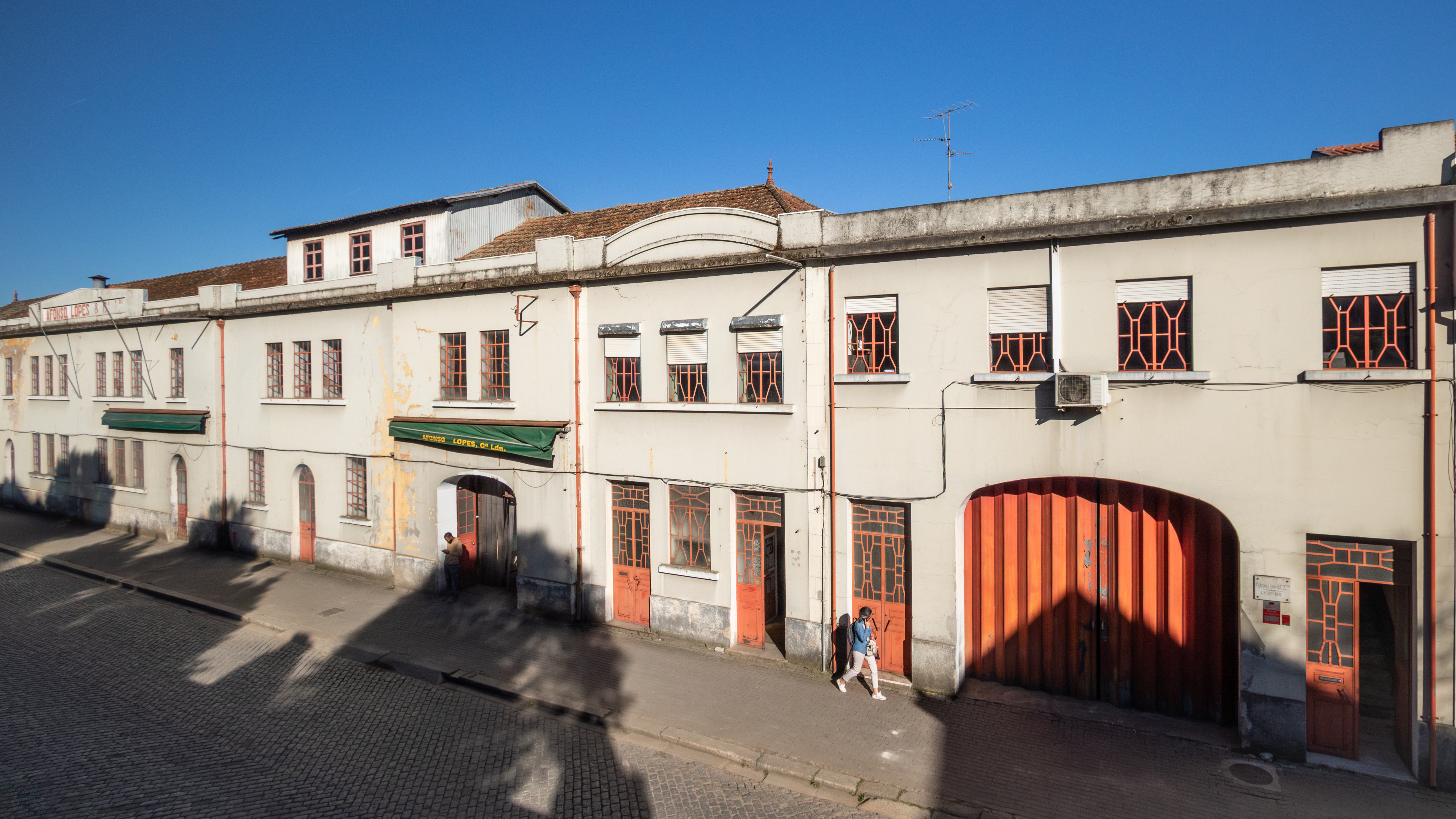
The Loreto Mill, the first factory to operate in the city of Bragança, is one of the last bastions of the milling industry in the country’s interior. Photo: Pedro Alves/Palombar.
It was born intertwined with the river, lit the way and provided sustenance in times of war
It was in the early 20th century, around 1908, that the first settlement - which would later become the Loreto Mill - was established on the banks of the River Fervença in Loreto, the historic centre of the city of Bragança. Alexandre Afonso, a native of the village of Refoios and grandfather of Luís Afonso - the heir and partner who today owns and runs the mill - was the driving force behind and founder of the factory, which began operations on 26 March 1926. The company, officially named Afonso, Lopes & Cia, Lda., but which is also known and operates in the market under the name and brand "Moagem do Loreto", has been in continuous operation since its foundation.
“It was my grandfather who started the grain milling business right here in this very spot where we are now, initially with a very small milling system, which later grew,” explained businessman Luís Afonso, who welcomed us with genuine warmth in the factory’s offices, in the very same space where his grandfather worked for decades on end, surrounded by the same century-old furniture that bears witness to the historical significance of the place.
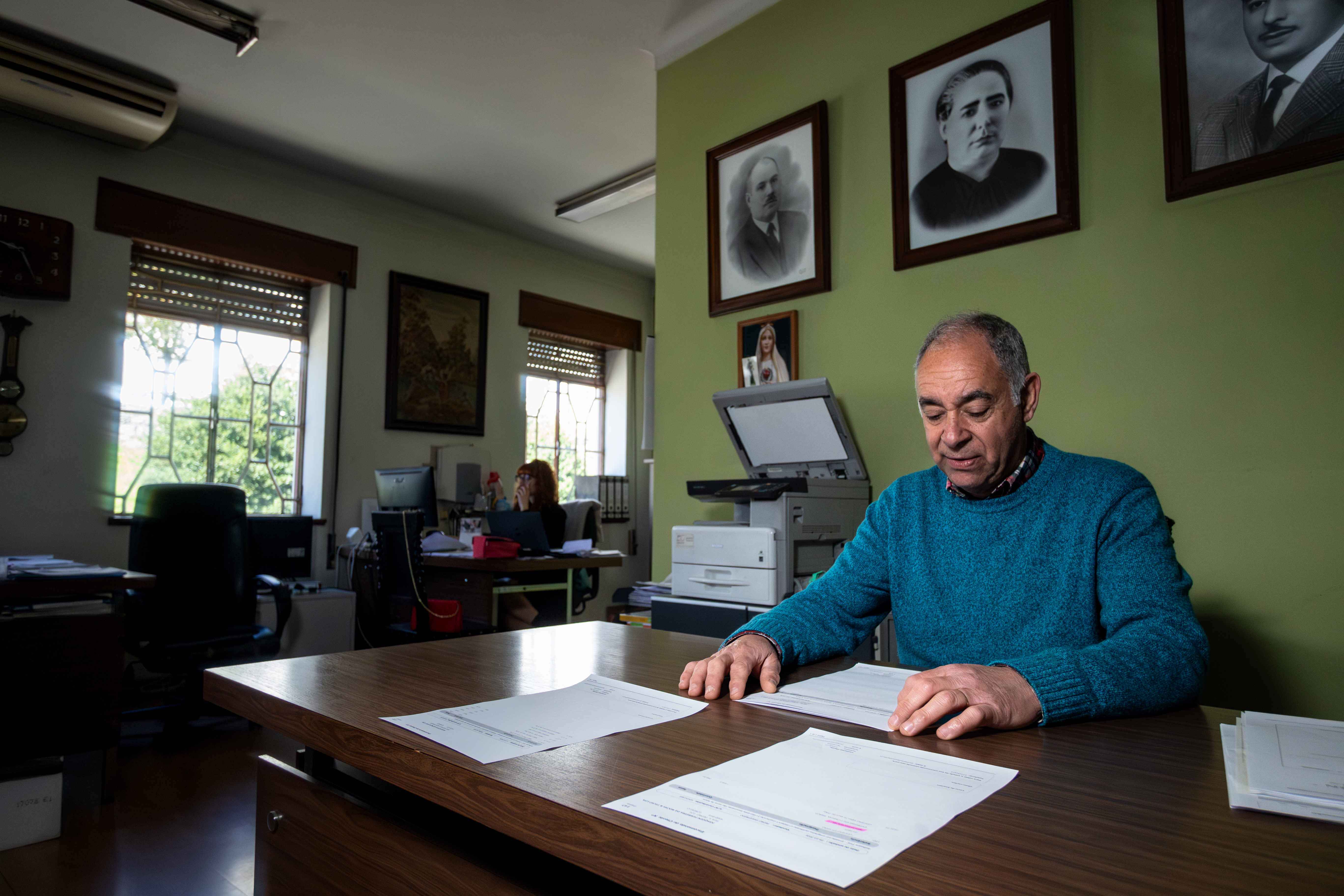
Luís Afonso in the century-old offices of the factory. The first photograph framed on the green wall is of his grandfather Alexandre Afonso, who founded "Moagem do Loreto" in 1926. Photo: Pedro Alves/Palombar.
Cereals: native varieties, authentic characteristics
In the first half of the 20th century and the early decades of the second, the grain from the Trás-os-Montes fields was plentiful, the silos were always full, and the mill absorbed the region’s cereals, with native varieties (such as the rustic and ancient Barbela wheat), unique characteristics, excellent quality and local sourcing that helped reduce production costs. The mill ran at full throttle; diesel combustion was the driving force. The energy generated even exceeded requirements, and there were times when the mill actually allocated part of the factory’s energy output to lighting the town’s paths and streets.
“I remember my uncle, who worked at the mill until he passed away, telling me that, at the time, the factory’s engines, through their mechanical motion, produced electricity to power the milling machinery, and the surplus energy was fed into the public grid to light the streets of Loreto. Later, a hydroelectric power station was built here in Bragança, on the River Fervença, and from then on, the wider electrification of the town began,” recalls Luís Afonso, thinking back to the days when the company also provided a public service.
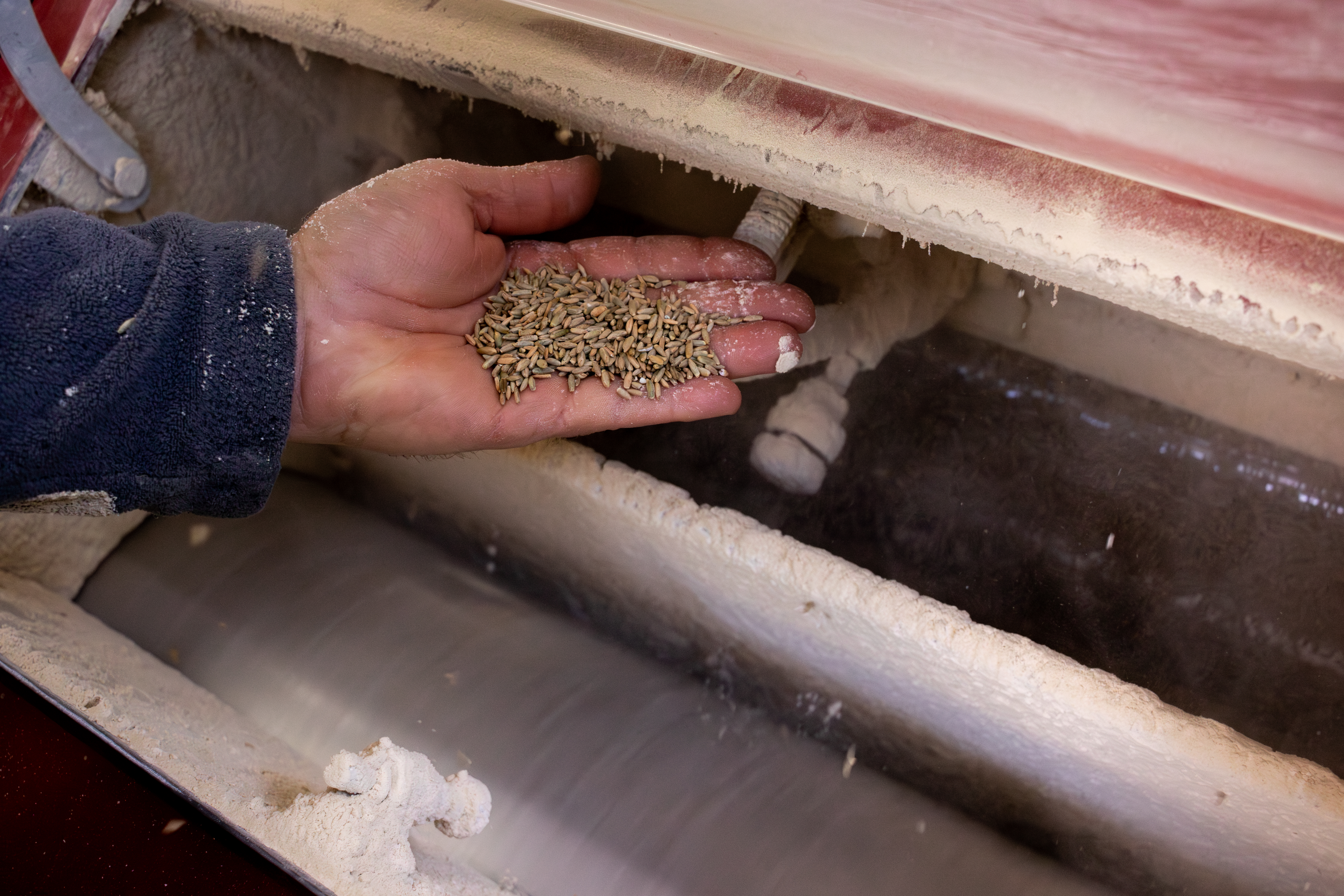
The Loreto Mill produces high-quality flour and specialises in the production of rye flour. Photo: Pedro Alves/Palombar.
Flour of exceptional quality and authentic flavour, unique rye
The high-quality flour that came (and continues to come) from the Loreto Mill was (and is) an authentic product, full of flavour, with unique properties for food production and the palate. The rye flour, considered the best in Portugal and the mill’s speciality, and the wheat flour, have always supplied the local and regional bakeries of Trás-os-Montes, and also of Minho, which produced (and produce) the finest regional bread that reaches the tables of those privileged enough to taste it.
“This factory has a very specific safeguard that still remains to this day, which is its specialisation in the production of rye flour. We are the mill that produces the best rye flour in Portugal. It is a highly regarded flour,” emphasises Luís Afonso.
Bread-making was also once carried out by tje Loreto Mill. The people, crying out for sustenance during the food crisis caused by the Second World War in the 1940s, benefited from the mill’s generosity. Grandfather Alexandre Afonso flouted the official rule in force at the time, which imposed a bread ration per family; he gave out as much as was needed, depending on the size of the families. He was arrested for this, but the people rose up and freed him. In times of war, bread feeds and the people save.
The flour mill is an industrial icon of the city. It operates within the town and maintains a strong, umbilical link to the land and to those who earn their livelihood from it, shaping the region’s economic and social dynamics from the very beginning.
The vanishing cornfields, the dwindling raw material
The second half of the 20th century was marked by public disinvestment in cereal farming in Trás-os-Montes, which intensified particularly at the turn of the millennium, in the 1980s and 1990s. Little by little, grain was almost no longer sown; the fields practically vanished from the hills, plains and plateaus of Trás-os-Montes, with only a few niches remaining; and the silos became open-air museum pieces, cast into oblivion and condemned to ruin, reviving only the memory of times of hard work and abundance.
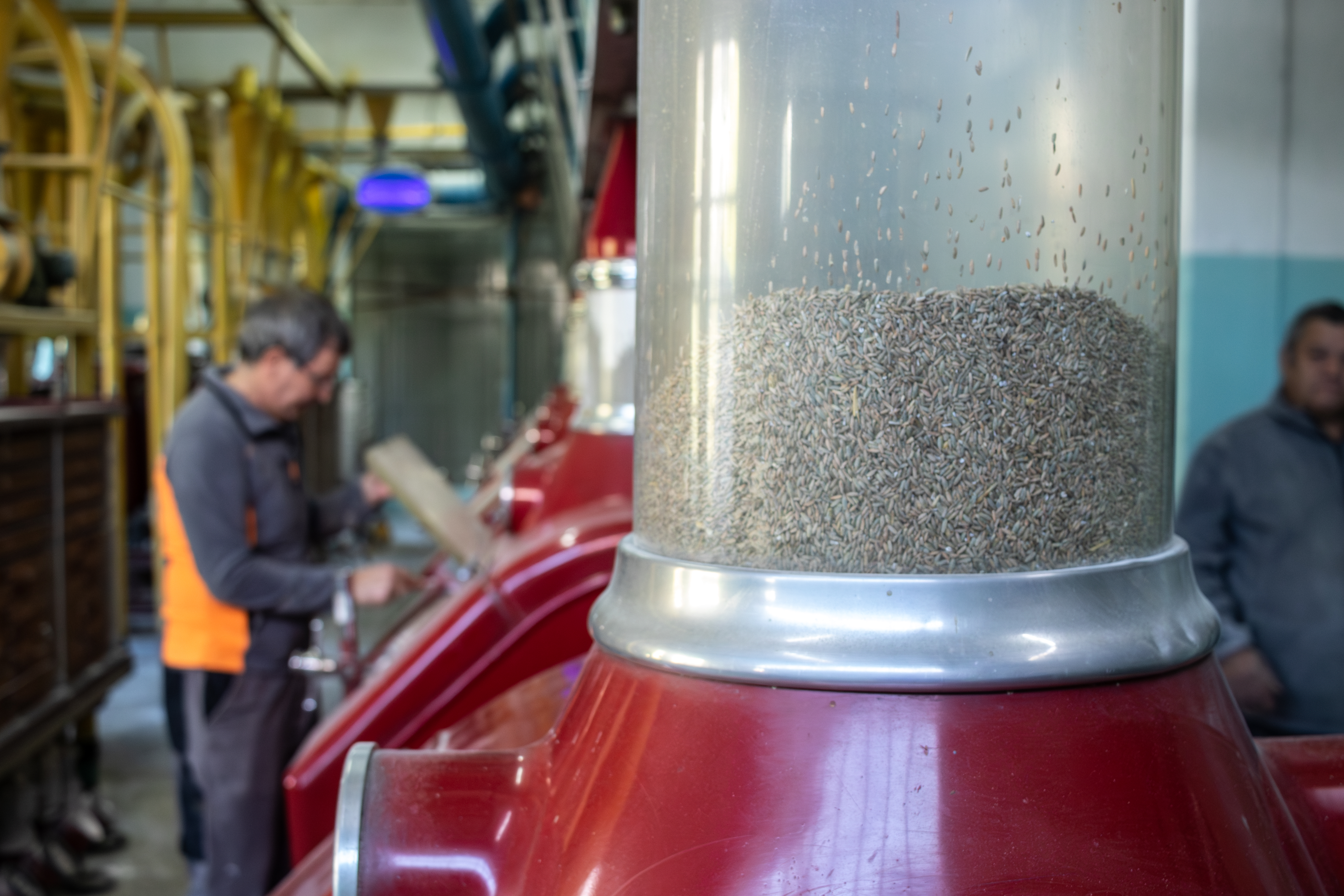
The grain from the fields of Trás-os-Montes that used to ‘feed’ the mill began to disappear, particularly towards the end of the 20th century. Photo: Pedro Alves/Palombar.
The gradual opening up to foreign markets, the liberalisation of the cereals market and Portugal’s accession to the then EEC – the European Economic Community – in 1986 imposed profound changes and new rules on trade, production and consumption, exacerbating the public disinvestment of previous years and leading to the dismantling of key state structures for the sector, such as EPAC – the Public Grain Supply Company – in the late 1990s, which began to collapse like a house of cards.
“In the old days, there was plenty of grain around Bragança – rye and wheat. The EPAC silos here in the town used to fill up. There was one year when 21 million kilos of grain were stockpiled in the silos,” recalls the businessman. Now they are a rarity.
Alongside this, the overcoming of geographical barriers that hindered access to the coast, such as the Serra do Marão, with the proliferation of tunnels and motorways leading inland, has also altered the dynamics: competition with large industries closer to the sea has increased, and the supply of raw materials from outside - not as authentic or local, nor of such high quality, but cheaper - has also grown. Furthermore, the progressive population exodus has widened distances and reduced the local and regional consumer market.
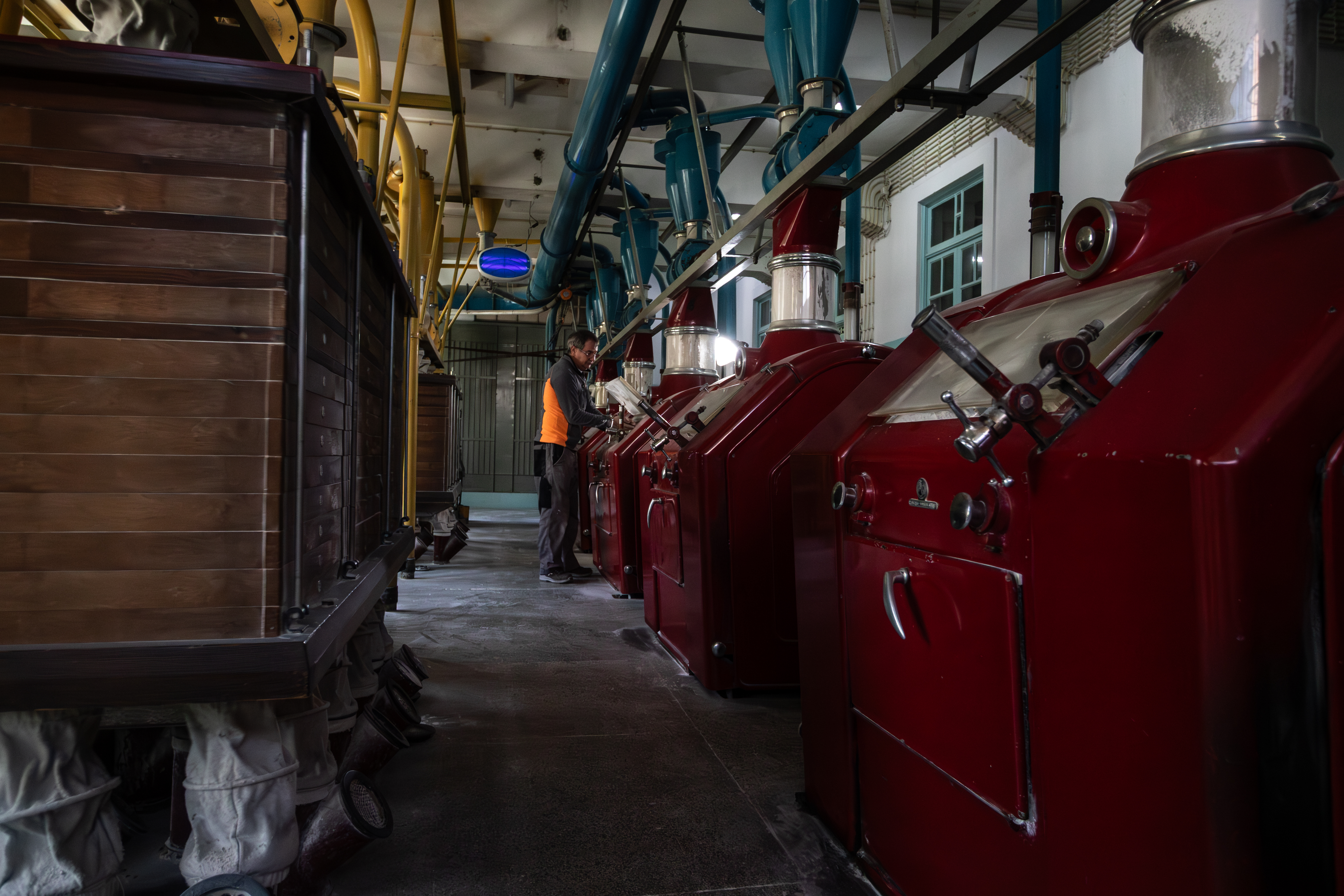
The distance between the raw materials and the factory has driven up production costs over the years. Photo: Pedro Alves/Palombar.
To avoid going under due to the lack of grain locally, the Loreto Mill was forced to look elsewhere. It turned eastwards, to Spain, to source rye, and westwards, out to sea, to source bread-making wheat from coastal ports. This meant travelling many extra kilometres in search of raw materials, significantly higher costs and reduced competitiveness.
“Today, it is far harder to keep the mill running than it was 40, 50 or 60 years ago. Because of everything that has happened: the decline of agriculture, the distance of raw materials from the factory, the depopulation of the countryside, which means fewer consumers and greater distances. So, all of this works against us and in favour of other larger industries on the coast,” explains the businessman.
Resilience is the strength to survive adversity
In an unfavourable context, resilience is the strength to survive adversity. Moagem do Loreto continues to operate 100 years on. There is still agriculture and there are still farmers in the Trás-os-Montes region; they are essential and increasingly needed. The fields and the landscape await, in time and space, the revival of cereal farming, those who will invest in and believe in the sector, the region and the country, the state-of-the-art machinery, and the silos that can be rebuilt and filled once more.
The heir to the Afonso family acquired the entire factory in 2013, at a time when the factory’s closure was already a foregone conclusion, following the decision to shut it down taken at a General Meeting of the company held in 2012. Luís Afonso did not want to let the mill fall into ruin. He believed, took a chance and moved forward. Since then, he has invested millions of euros in modernising the factory to optimise manufacturing processes and diversify the product range.
Currently, Moagem do Loreto produces flour for traditional and industrial baking, confectioners and pastry shops, as well as animal feed. The factory employs 11 workers and produces 500 tonnes of flour per month. Its customers are mainly from the Trás-os-Montes and Minho regions, with a few specific clients on the coast. It also sells to neighbouring Spain, specifically to the region of Galicia.
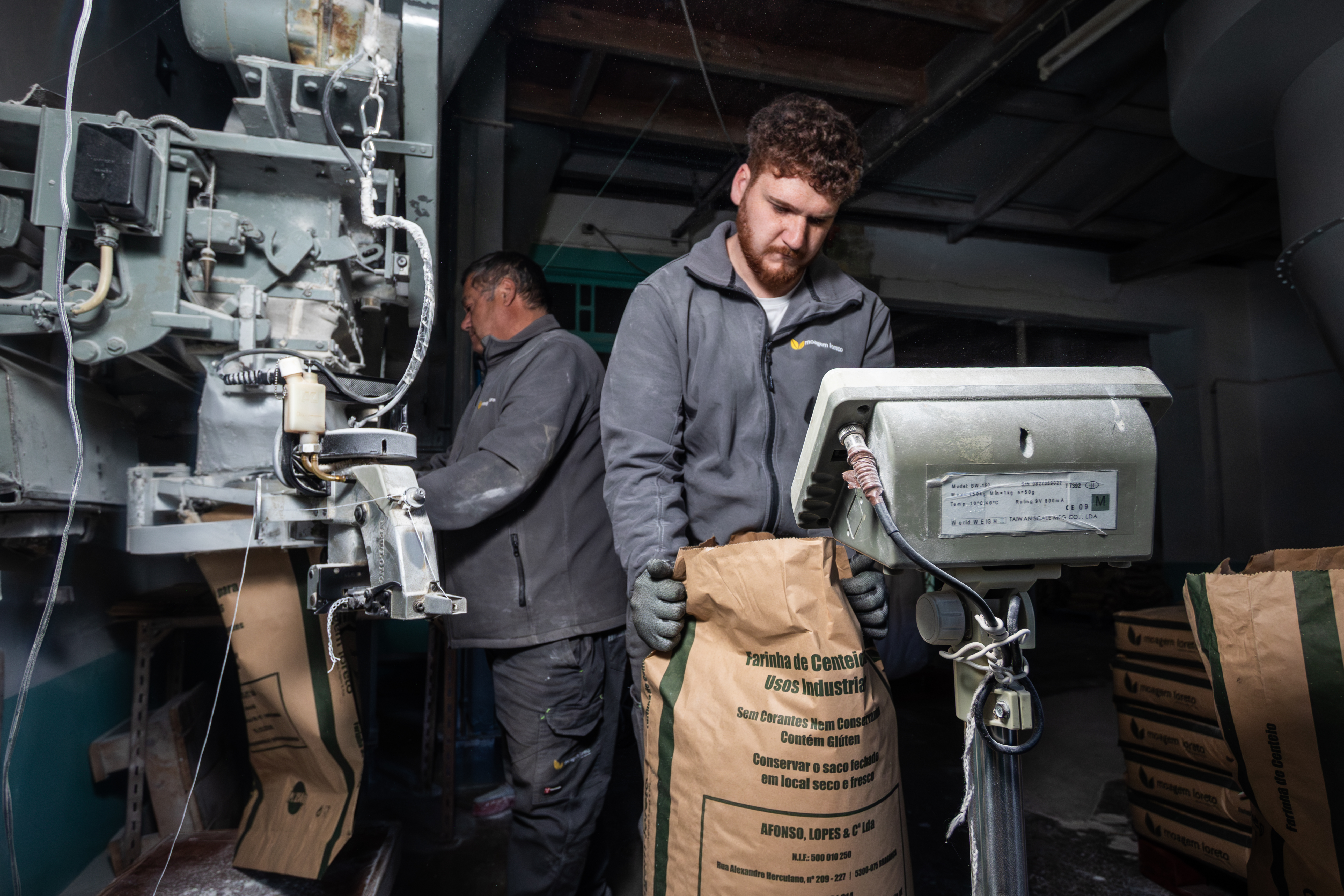
The Loreto Mill currently employs 11 people and produces 500 tonnes of flour per month. Photo: Pedro Alves/Palombar.
Building, together, a promising future for grain crops and biodiversity
In a strategic vision for the present and future of the milling industry, Luís Afonso considers it essential to focus on multi-sectoral collaboration, involving the State, farmers’ and bakers’ organisations, non-governmental organisations dedicated to nature conservation, consumer groups, retailers, and others. Bringing together efforts and stakeholders active in the various areas linked to the cereal sector is essential to revitalise cereal production.
“A multi-sectoral strategy is essential. If there are partnerships, particularly with the most important sector – production – and with an organisation of cereal producers, this is vital for us, even for the factory’s continued existence beyond its 100th anniversary. Because if there is no local or regional production, and production gradually moves away from milling, we lose our margins and competitiveness until we disappear,” says Luís Afonso.
Promoting cereals and domestic production
It is crucial to highlight the unique cereals produced in the region, following practices that help conserve biodiversity, particularly the Montagu’s harrier (Circus pygargus), the iconic bird of prey of the grain fields which is at risk of extinction, as well as the cereals grown in Trás-os-Montes.
.jpg)
A Montagu’s harrier flying over an area near the old EPAC silos in Mogadouro, Trás-os-Montes, which used to be full all the time (and which we hope will be full again). Photo: Pedro Alves/Palombar.
“Our rye is of high quality. The grain is heavier, yielding more and better flour. And so, we have an added value here, which is the quality of the product. We used to have, and we can have again on a large scale, Barbela, a special wheat with unique organoleptic characteristics, with more flavour and aroma,” emphasised the businessman, adding that “at the time, when EPAC took part in international cereal competitions, the rye from Trás-os-Montes, from Terra Fria, was considered the best rye in the world”.
Enhancing the value of the flour and bread produced here, which are unique in the world, through certification, is another key step. “A strong national cereal brand and also a certified bread for the region can add value and make a difference for farmers, bakeries and the milling industry. It was important to have a certification, which does not currently exist, to distinguish and promote Trás-os-Montes bread, produced with local cereals and unique flour made here,” says Luís Afonso.
The LIFE SOS Pygargus project aims to work closely with the milling industry and across the entire cereal sector supply chain to promote more productive and resilient agricultural landscapes, with greater balance and biodiversity.
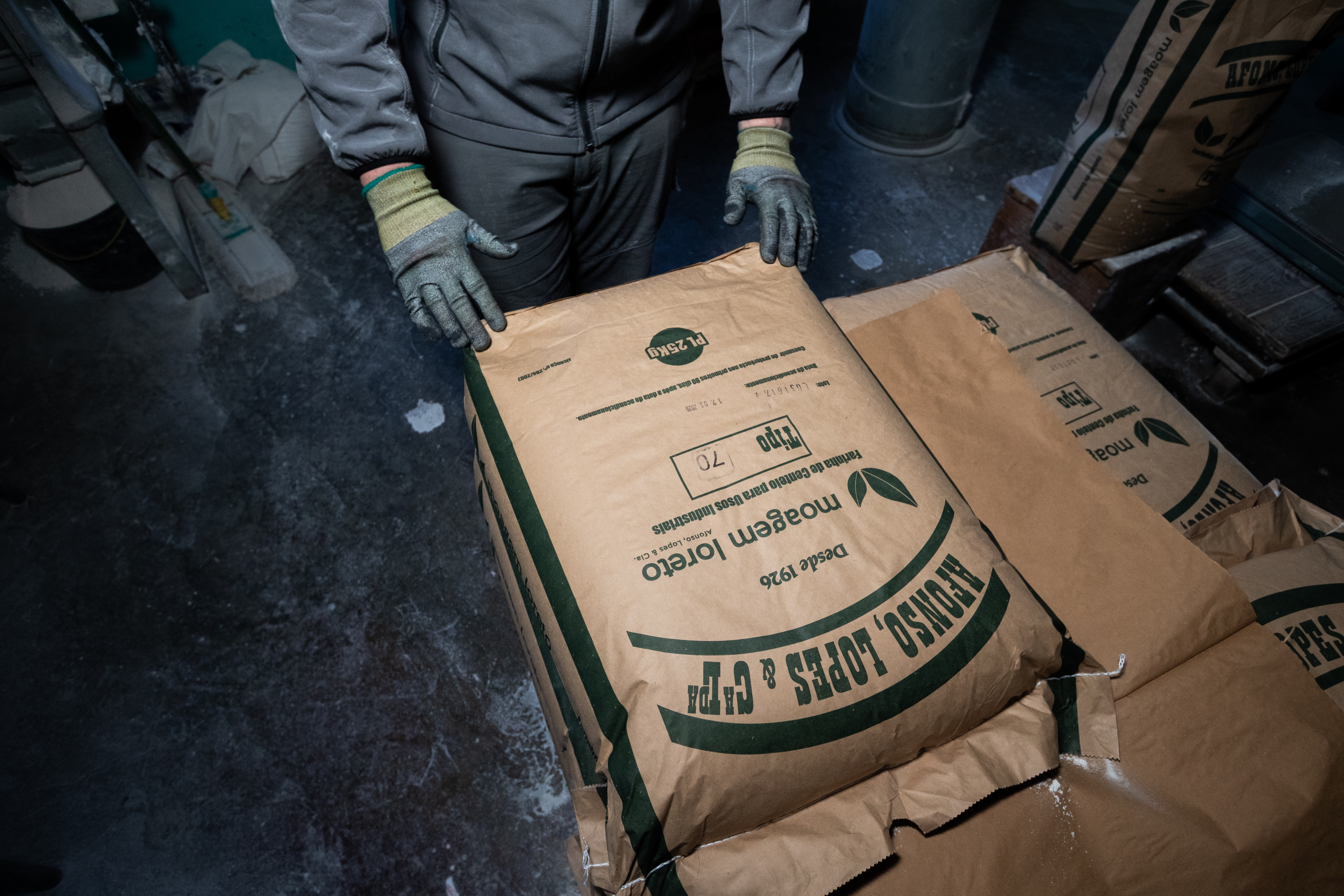
“Our rye is of the highest quality. The grain is heavier, yielding more and better flour. And so, the added value here lies in the quality of the product.” – Luís Afonso. Photo: Pedro Alves/Palombar.
“In the context in which we live – characterised by a climate and biodiversity crisis on the one hand, and geopolitical instability on the other, with one war after another triggering fuel and food crises – food sovereignty, food security and the resilience of the land, as well as the conservation of many natural assets, lie in a revitalised and more sustainable national agricultural sector. The project aims to boost cereal production in Portugal to save a bird from extinction – the Montagu’s harrier – along with its habitat and other associated species of fauna and flora, thereby contributing to a better quality of life for local communities. “More biodiverse fields have a brighter future, for nature and for people,” says Joaquim Teodósio, coordinator of LIFE SOS Pygargus and nature conservation officer at Palombar.
Growing cereals adapted to the North, organising production
As part of the project, trials are being carried out by INIAV – the National Institute for Agricultural and Veterinary Research, in collaboration with CCDR-Norte – the Northern Regional Coordination and Development Commission – with a view to selecting cereal varieties that are more resistant and better adapted to the northern region and to the breeding cycle of the Montagu’s harrier, a bird of prey that nests on the ground in grain fields and for which a later harvest increases breeding success. These are varieties that contribute to regenerative agricultural practices and offer greater added value. The project, through ANPOC – the National Association of Protein, Oilseed and Cereal Producers, a partner of LIFE SOS Pygargus, is also promoting the creation of a cereal producers’ organisation in the north of the country.
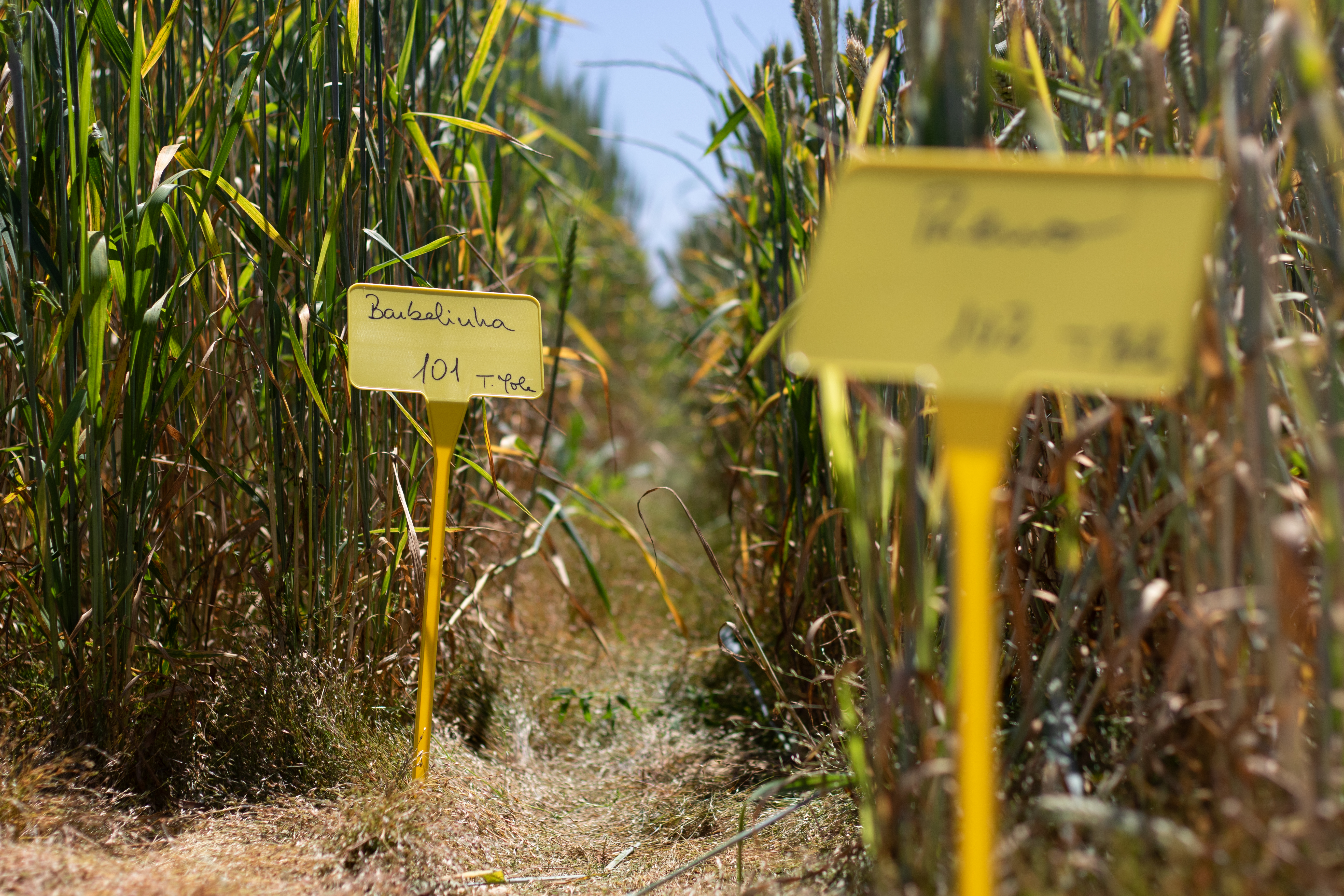
The LIFE SOS Pygargus project is conducting trials to test 20 varieties of five cereal crops: soft wheat, barbela wheat, rye, oat and triticale. Photo: Pedro Alves/Palombar.
There is a strong commitment to ensuring that grain once again becomes abundant in the Trás-os-Montes region, revitalising regional and national cereal farming and feeding the local population, whilst increasing the available habitat for the Montagu’s harrier and enhancing environmental sustainability, thereby contributing to greater economic and social stability in the country.
A Certificate of Recognition to celebrate the centenary and the strategic importance of the milling industry
In recognition of the centenary of "Moagem do Loreto", the LIFE SOS Pygargus project has decided to award a Certificate of Recognition to the milling company, which will be presented to Luís Afonso.
“The project decided to award this certificate to "Moagem do Loreto" for its resilience over time, remaining active throughout a century of history despite all adversities, as well as for the strategic role the milling sector plays in the entire production chain linked to cereals and the conservation of the Montagu’s harrier,” says Miguel Nóvoa, a member of Palombar’s board of directors.
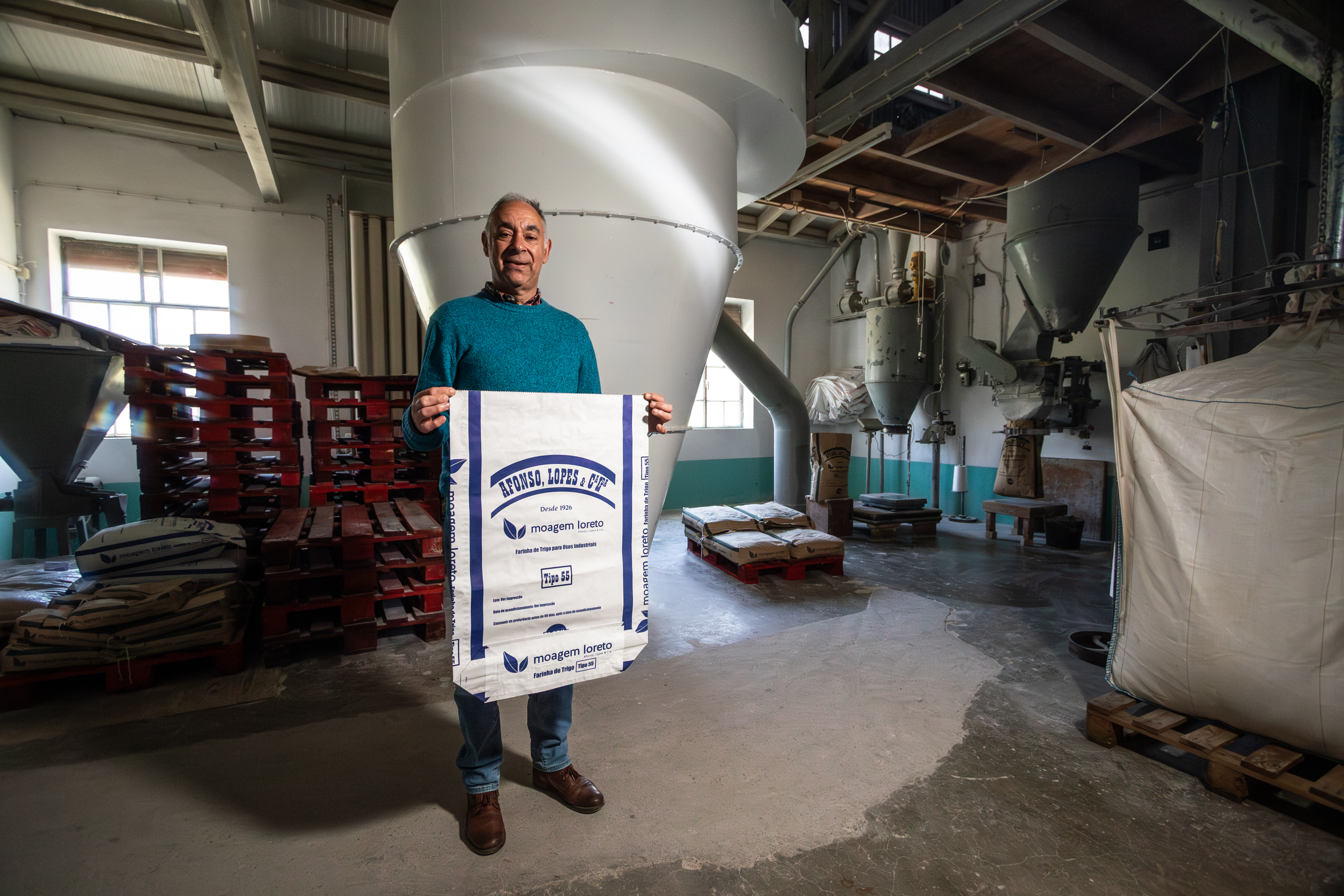
At "Moagem do Loreto", where grain is turned into food, lies the future of regional cereal production and the future of the Montagu’s harrier. Photo: Pedro Alves/Palombar.
A message for those who live off (and on) the land
Regarding the certificate the project will award him and the 100th anniversary, Luís Afonso leaves a message: “Courage and confidence. We need to bring all these elements together to ensure that it is worth sowing cereals again in Trás-os-Montes. So that we may once again have income, wealth, and protection for the forest, the environment, the wildlife, the Montagu’s harrier, and the region’s ecology. Because local and regional agriculture and food must exist for all this to be possible. And so that, at the very least, another three generations may follow in the miller’s footsteps,” he concludes.
At the Loreto Mill, where grain is transformed into food, lies the future of regional cereal production and the future of the Montagu’s harrier. For those who work the land, for those who protect endangered species, for those who consume food – in short, for all of us – strength lies in unity and collective will. The future will be whatever we, as a society, want it to be.